
Top Stretches to Combat Tech Neck for Desk Workers
Fiteek Team
8 min read

Discover effective stretches to alleviate tech neck for desk workers. Improve posture and reduce discomfort with these simple exercises.
Understanding Tech Neck
Tech neck, also known as cervical kyphosis, refers to the strain and discomfort in the neck caused by prolonged forward head posture while using smartphones, computers, and other digital devices. This condition is increasingly common among desk workers who spend long hours looking down at screens without proper ergonomic support.
The constant bending of the neck forward puts extra pressure on the cervical spine, leading to muscle strain, pain, and in some cases, long-term spinal issues. Over time, tech neck can result in headaches, stiff shoulders, and reduced mobility.
Key takeaway: Maintaining good posture and taking regular breaks can help prevent tech neck and alleviate its symptoms.
How Tech Neck Affects Desk Workers
- Muscle strain and tension in the neck and shoulders
- Headaches due to nerve compression and poor circulation
- Reduced range of motion and neck stiffness
- Potential development of spinal misalignment or disc problems
- Decreased productivity due to discomfort and pain
Why Stretching is Essential
In today’s digital age, many people suffer from tech neck—a condition caused by prolonged periods of looking down at screens, resulting in neck pain and stiffness. Stretching plays a vital role in alleviating tech neck symptoms and promoting overall health.
Benefits of Stretching for Tech Neck Relief
- Relieves muscle tension: Stretching helps loosen tight neck and shoulder muscles that develop from poor posture.
- Improves posture: Regular stretching encourages better spinal alignment and reduces forward head posture.
- Increases blood flow: This promotes healing and reduces inflammation in affected areas.
- Enhances flexibility: Greater neck and upper back flexibility help prevent stiffness and future pain.
Overall Health Benefits of Stretching
- Boosts circulation: Regular stretching improves blood circulation throughout the body.
- Reduces stress: Gentle stretching can ease muscle tension and promote relaxation.
- Prevents injuries: Keeping muscles flexible lowers the risk of strains and sprains.
- Improves mobility: Maintaining range of motion in joints supports daily activities and physical fitness.
Consistent stretching throughout the day, especially during long hours at a desk, is an easy yet effective way to combat tech neck and enhance your overall wellbeing.
Neck Tilt Stretch
The neck tilt stretch is a simple yet effective exercise to relieve tension and improve flexibility in your neck muscles. Proper posture and consistent practice are key to maximizing its benefits.
How to Perform the Neck Tilt Stretch
- Start by sitting or standing upright with your shoulders relaxed and your back straight.
- Slowly tilt your head towards your right shoulder, bringing your ear as close to the shoulder as possible without raising the shoulder.
- Hold the stretch gently for 15-30 seconds, feeling a comfortable stretch along the left side of your neck.
- Return your head to the neutral center position.
- Repeat the same movement on the left side, holding for the same amount of time.
Key Posture Tips
- Keep your spine straight and avoid slouching to ensure proper alignment.
- Do not lift your shoulders toward your ears; keep them relaxed throughout the stretch.
- Move slowly and avoid any sudden or jerky movements to prevent strain.
For best results, perform the neck tilt stretch 2-3 times daily, particularly if you spend long periods sitting or working at a computer.
Chin Tuck Exercise: Step-by-Step Guide
The chin tuck exercise is a simple yet effective way to improve posture and relieve neck pain. It helps strengthen the muscles that support your cervical spine and encourages proper alignment.
How to Perform a Chin Tuck Correctly
- Sit or stand up straight: Keep your shoulders relaxed and your spine in a neutral position.
- Look straight ahead: Keep your eyes level and focus on a point at eye level.
- Gently tuck your chin: Pull your chin straight back towards your neck without tilting your head down or up. Imagine creating a double chin.
- Hold the position: Maintain the tuck for 5 seconds while breathing normally.
- Release slowly: Relax and return to the starting position.
- Repeat: Perform 10 repetitions, 2-3 times daily for best results.
Consistent practice of chin tucks can help reduce neck tension and promote better head and neck alignment over time.
Seated Shoulder Squeeze
The seated shoulder squeeze is a simple yet effective exercise designed to improve posture, reduce tension, and strengthen the muscles around your shoulders and upper back. It can be performed easily while sitting at your desk or during breaks, making it perfect for those who spend extended periods sitting.
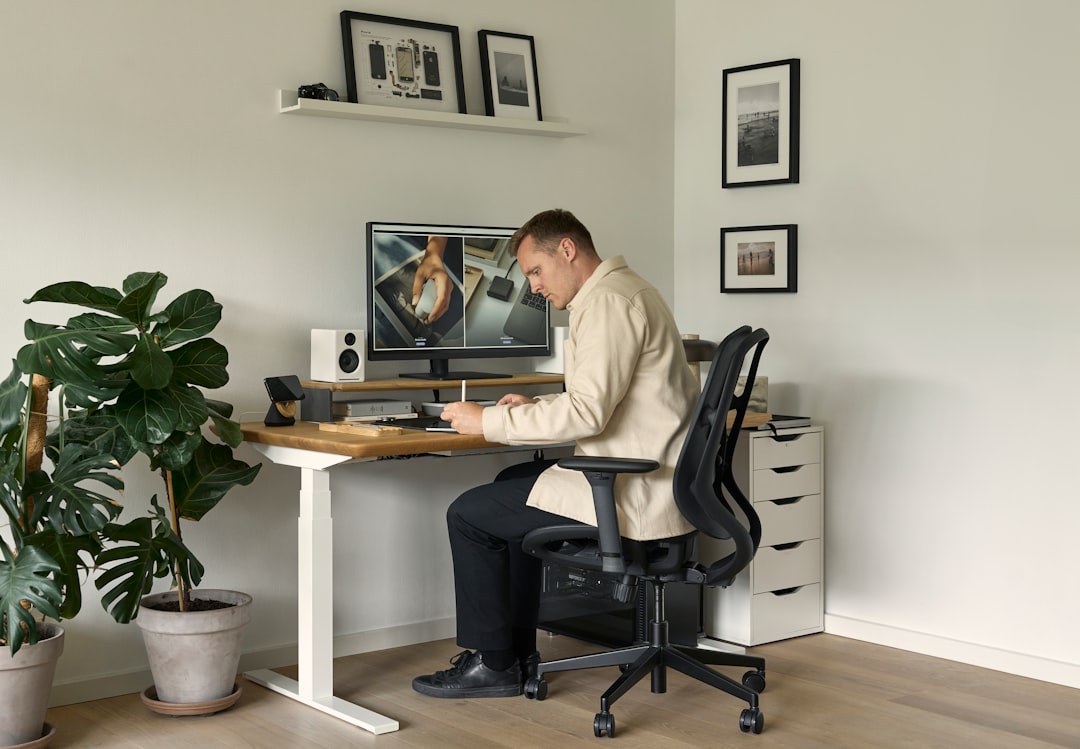
How to Perform the Seated Shoulder Squeeze
Follow these steps to correctly execute the seated shoulder squeeze:
- Sit upright in a chair with your feet flat on the floor and your back straight.
- Relax your shoulders and extend your arms down by your sides.
- Slowly squeeze your shoulder blades together as if you are trying to hold a pencil between them.
- Hold this squeeze for 5-10 seconds while keeping your neck relaxed and avoiding shrugging your shoulders.
- Release the squeeze and return to the starting position.
- Repeat for 10-15 repetitions.
Tips for Effectiveness
- Maintain a neutral spine throughout the exercise to avoid strain.
- Breathe evenly and avoid holding your breath during the squeeze.
- Perform the exercise regularly, especially during long periods of sitting, to counteract poor posture.
- If you experience discomfort or pain, reduce the intensity or consult a healthcare professional.
Upper Back Stretch: Simple Steps for Desk Workers
Spending long hours at a desk can lead to tension and stiffness in the upper back. Incorporating a simple upper back stretch into your daily routine can improve posture, reduce discomfort, and increase flexibility.
Why Stretch Your Upper Back?
Maintaining mobility in your upper back helps alleviate common issues like rounded shoulders and neck pain, which are prevalent among desk workers.
How to Perform the Upper Back Stretch
- Sit or stand tall, ensuring your spine is straight.
- Clasp your hands together and extend your arms straight out in front of you at shoulder height.
- Round your upper back by pushing your hands forward and tucking your chin slightly toward your chest.
- Hold the stretch for 20-30 seconds, breathing deeply throughout.
- Slowly release and repeat 2-3 times.
Incorporate this stretch into your breaks every hour to keep your upper back relaxed and supported throughout the workday.
Incorporating Stretches Into Your Day
Integrating stretches into your daily routine is a simple yet effective way to enhance flexibility, reduce tension, and boost overall well-being. The key is to find natural moments throughout your day to pause and stretch, making it a consistent habit rather than a chore.
Start by identifying times when stretching fits seamlessly into your schedule. Early mornings, mid-afternoon breaks, and right before bedtime are ideal opportunities. For example, a gentle neck and shoulder stretch right after waking up can help alleviate stiffness, while a few minutes of lower back stretches during a work break can reduce discomfort from prolonged sitting.
Consistency is crucial. Aim to stretch at the same times each day to build a routine that your body anticipates and values. Even short sessions of 5 to 10 minutes can make a significant difference over time. Consider setting reminders on your phone or linking stretches with daily habits, like brushing your teeth or waiting for your coffee to brew.
Consistent, brief stretching sessions integrated into your day can improve posture, ease muscle tension, and increase energy levels without disrupting your routine.
- Choose specific times to stretch daily (morning, breaks, evening)
- Keep stretches gentle and focused on commonly tight areas
- Use short, consistent sessions for lasting benefits
- Pair stretching with existing daily habits or reminders
- Listen to your body and avoid overstretching
Conclusion
Maintaining good posture and incorporating regular stretching into your daily routine are essential to preventing tech neck. Key points to remember include:
- Understanding the causes and symptoms of tech neck
- Practicing ergonomic habits while using devices
- Performing simple, effective neck and shoulder stretches consistently
By committing just a few minutes each day to stretching, you can significantly reduce discomfort and improve your overall neck health. Start today to protect yourself from the long-term effects of tech neck and enjoy greater comfort in your digital lifestyle.
Disclaimer: This article is for education purposes only. Before starting any new workout routines or diet plans, please consult a professional worker.