
5-Minute Mobility Routine to Prevent Lifter Injuries
Fiteek Team
8 min read

Discover a quick and effective 5-minute mobility routine that helps lifters prevent injuries and enhance performance. Improve your workouts today.
Introduction to Mobility Exercises for Lifters
Mobility exercises are essential for lifters aiming to improve their performance and maintain long-term joint health. These exercises focus on enhancing the range of motion in muscles and joints, which is critical for executing lifts with proper form and technique.
Incorporating mobility work into a training routine helps prevent injuries by ensuring that the body can move efficiently and safely under load. Poor mobility often leads to compensatory movements that increase strain on muscles, tendons, and ligaments, raising the risk of strains, sprains, and chronic pain.
Key benefits of mobility exercises include improved lifting mechanics, enhanced flexibility, reduced risk of injury, and faster recovery times.
Why Mobility Matters
Incorporating mobility exercises into your routine is essential for maintaining and improving overall physical health. These exercises enhance joint flexibility and muscle function, promoting better movement patterns in daily activities and sports.
One of the primary benefits of regular mobility work is injury prevention. By increasing the range of motion and reducing stiffness in muscles and joints, mobility exercises help reduce the risk of strains, sprains, and other common injuries.
Additionally, mobility training can significantly boost athletic performance. Improved joint mobility allows for more efficient movement mechanics, which can lead to enhanced strength, speed, and endurance.
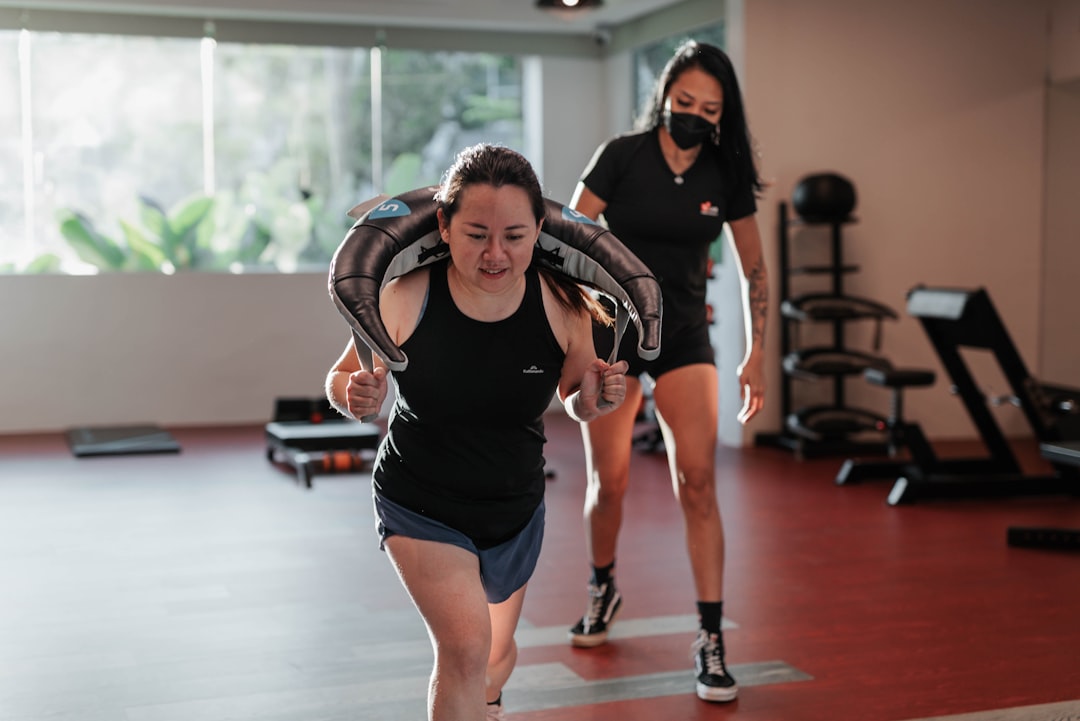
Key Benefits of Mobility Exercises:
- Enhance joint flexibility
- Reduce injury risk
- Improve posture and movement efficiency
- Boost athletic performance
- Support long-term physical health
The 5-Minute Mobility Routine
Staying mobile is essential for overall health, especially if you spend long hours sitting or have a sedentary lifestyle. This quick 5-minute mobility routine focuses on increasing joint flexibility, improving circulation, and preventing stiffness. Follow these easy steps daily to feel more energized and reduce the risk of injury.
Step 1: Neck Circles
Slowly rotate your neck in a circular motion, 5 times clockwise and 5 times counterclockwise. This movement helps release tension in the cervical spine and improves range of motion.
Step 2: Shoulder Rolls
Roll your shoulders forward 10 times and then backward 10 times. Shoulder rolls enhance shoulder joint mobility, reduce stiffness, and improve upper body posture.
Step 3: Arm Cross Swings
Swing your arms across your chest and then open wide, alternating which arm crosses over the top. Repeat 20 times to increase thoracic spine flexibility and activate the chest muscles.
Step 4: Hip Circles
Place your hands on your hips and make big circles with your pelvis, 5 times in one direction and 5 times in the other. Hip circles promote hip joint lubrication and ease lower back tightness.
Step 5: Ankle Rolls
Lift one foot off the ground and rotate your ankle 10 times clockwise and 10 times counterclockwise. Switch feet and repeat. Ankle rolls improve ankle flexibility and circulation.
Key Benefits of the 5-Minute Mobility Routine:
- Improves joint range of motion
- Reduces muscle stiffness and soreness
- Enhances overall circulation
- Prevents injury by preparing joints and muscles
- Boosts energy and mental focus
Dynamic Stretches
Dynamic stretches are active movements that prepare your muscles and joints for physical activity by increasing blood flow and improving range of motion. This routine includes several effective dynamic stretches targeting key muscle groups to enhance performance and reduce injury risk.
Included Stretches
- Leg Swings: Front-to-back and side-to-side leg swings loosen the hip flexors, hamstrings, and glute muscles, promoting hip mobility.
- Arm Circles: Small to large arm circles activate the shoulders and upper back muscles, improving shoulder joint flexibility.
- Walking Lunges: These engage the quadriceps, glutes, and hip flexors, helping balance and strength for lower-body movements.
- Torso Twists: Controlled rotational twists stretch and warm up the obliques and lower back muscles.
Benefits to Key Muscle Groups
By incorporating these dynamic stretches into your warm-up, you increase circulation and muscle temperature, leading to enhanced elasticity and responsiveness:
- Hip Flexors and Glutes: Improved mobility and activation for activities such as running, jumping, and squatting.
- Shoulders and Upper Back: Increased range of motion for overhead or throwing motions.
- Quadriceps and Hamstrings: Enhanced muscle readiness reduces strain during powerful leg movements.
- Core Muscles: Gradual activation prepares the torso for stabilization and rotational tasks.
Regular practice of these dynamic stretches not only enhances performance but also significantly lowers your risk of strains and sprains during workouts.
Foam Rolling Techniques
Foam rolling is a highly effective self-myofascial release technique that helps improve muscle flexibility, reduce soreness, and enhance overall mobility. Incorporating foam rolling into your mobility routine stimulates blood flow and releases muscle tightness, preparing your body for activity or aiding recovery post-workout.
Basic Foam Rolling Techniques
- Slow and Controlled Movements: Roll each muscle group slowly, spending at least 30 seconds per area to allow the release of tension.
- Focus on Tender Spots: When you find areas that feel tight or sore, pause and apply gentle pressure to help the muscle relax.
- Avoid Rolling Over Joints: Concentrate on muscle bellies rather than bones or joints to prevent injury.
- Consistent Pressure: Use your body weight to control the pressure, adjusting by supporting yourself with your arms or legs.
Key Muscle Groups to Target
- Quadriceps and hamstrings
- Calves and shins
- Glutes and piriformis
- Upper back and lats
Integrating foam rolling before stretching can increase your range of motion and prepare muscles for movement, while foam rolling after exercise promotes faster recovery.
How Foam Rolling Fits Into Your Mobility Routine
In a balanced mobility routine, foam rolling serves as an essential warm-up and cool-down tool. Start by foam rolling tight muscle groups to break up adhesions and increase tissue elasticity. Follow this with dynamic stretches and mobility drills tailored to your needs. Post-workout, foam rolling helps flush out metabolic waste and reduces muscle stiffness, complementing static stretches and enhancing long-term flexibility.
Breathing and Mindfulness: Enhancing Mobility Through Awareness
Breathing exercises and mindfulness practices play a crucial role in improving physical mobility by fostering body awareness and reducing tension. When we focus on our breath, we can gently release tight muscles, enhance circulation, and support natural movement patterns.
Mindfulness encourages us to stay present and attentive to how our bodies feel, which can prevent overexertion and promote safer, more effective motion. Integrating these techniques into daily routines can lead to increased flexibility, balance, and overall ease of movement.
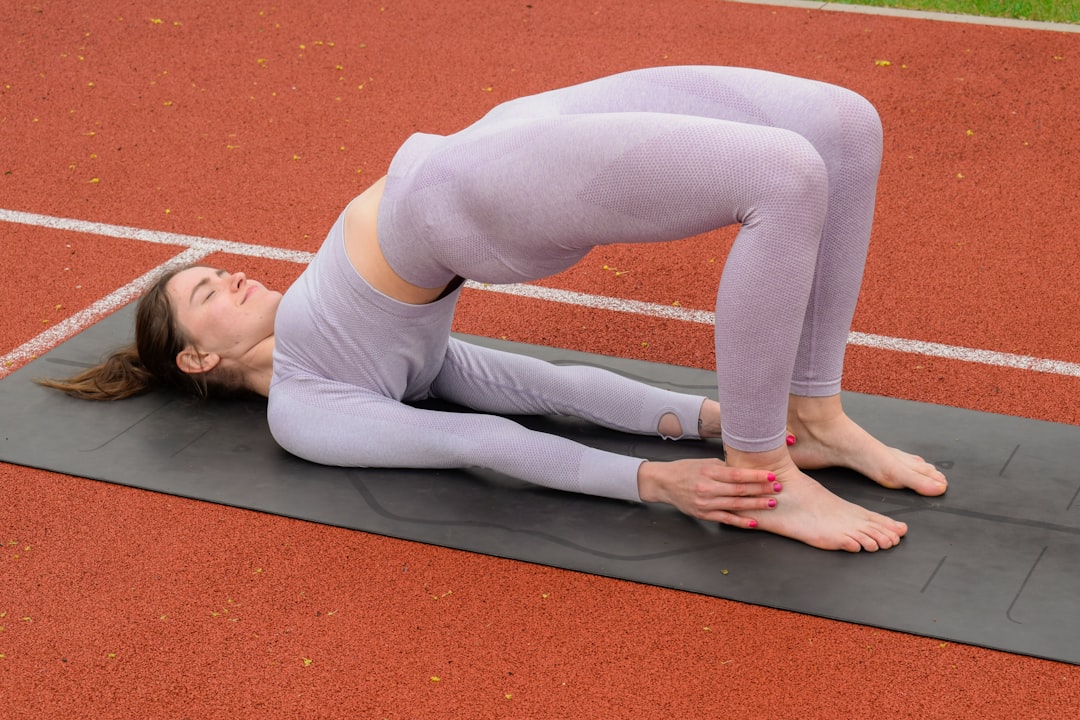
Key takeaways:
- Breathing exercises help relax muscles and improve circulation.
- Mindfulness promotes body awareness, reducing the risk of injury.
- Together, they support better coordination and enhanced mobility.
Implementing the Routine
Integrating a new lifting routine into your existing workout schedule can be the key to sustained progress and injury prevention. Here are some practical tips to help you smoothly adopt this routine without disrupting your overall training plan.
- Start by assessing your current schedule and identify the best days to allocate for the routine, ensuring adequate rest between intense sessions.
- Incorporate the routine gradually, replacing or adjusting less effective workouts to avoid overtraining.
- Prioritize compound movements and maintain proper technique to maximize gains and reduce injury risk.
- Use tracking tools like workout logs or apps to monitor your progress and adjust the routine based on your performance and recovery.
- Remember to warm up properly before each session and cool down afterward to maintain flexibility and aid recovery.
- Schedule regular deload weeks or lighter sessions within your routine to prevent burnout and promote long-term consistency.
Key Takeaway: The success of implementing any lifting routine lies in thoughtful scheduling, gradual integration, and attentive recovery management.
Conclusion
Incorporating a consistent mobility routine is essential for lifters looking to improve performance, prevent injury, and enhance overall wellbeing. By focusing on flexibility, joint health, and muscle activation, you set yourself up for long-term success both inside and outside the gym.
Key takeaways:
- Regular mobility work improves range of motion and lifting mechanics.
- Enhanced joint health reduces the risk of injury.
- Mobility routines support faster recovery and greater workout longevity.
Commit to making mobility training a non-negotiable part of your fitness regimen—your body will thank you for it in years to come.
Disclaimer: This article is for education purposes only. Before starting any new workout routines or diet plans, please consult a professional worker.