
Effective Sleep Supplements: Melatonin, Magnesium & More
Fiteek Team
7 min read

Discover effective sleep supplements like melatonin and magnesium, their benefits, side effects, and how to use them for a better night's rest.
Understanding Sleep Supplements
Sleep supplements are products designed to improve the quality and duration of sleep. They are commonly used by individuals who have difficulty falling asleep, staying asleep, or who want to enhance their overall sleep experience without relying on prescription medications. The primary purpose of sleep supplements is to support the natural processes that regulate sleep, such as promoting relaxation, reducing anxiety, and encouraging the body to enter a restful state. These supplements may contain natural ingredients, hormones, or vitamins that influence sleep cycles and brain chemistry to help users achieve better sleep.
Common Types of Sleep Supplements
- Melatonin: A hormone that regulates the sleep-wake cycle, often used to adjust circadian rhythms for shift workers or travelers experiencing jet lag.
- Magnesium: A mineral that helps relax muscles and calm the nervous system, promoting a sense of tranquility conducive to sleep.
- Valerian Root: An herbal remedy traditionally used to reduce the time it takes to fall asleep and improve sleep quality.
- L-Theanine: An amino acid found in tea leaves, known for its relaxing effects and ability to reduce stress without causing drowsiness.
- 5-HTP (5-Hydroxytryptophan): A precursor to serotonin, which can influence mood and sleep patterns.
Choosing the right sleep supplement depends on individual needs and health conditions. It's important to consult with a healthcare professional before starting any supplement regimen to ensure safety and effectiveness.
Benefits of Melatonin
Melatonin is a hormone naturally produced by the pineal gland in the brain, primarily responsible for regulating the body's sleep-wake cycle. It signals to the body when it is time to sleep by responding to darkness, helping to maintain a healthy circadian rhythm. Supplementing with melatonin has become popular for a variety of reasons, particularly for improving sleep quality and managing sleep disorders. Here’s how melatonin works and some of its key benefits: 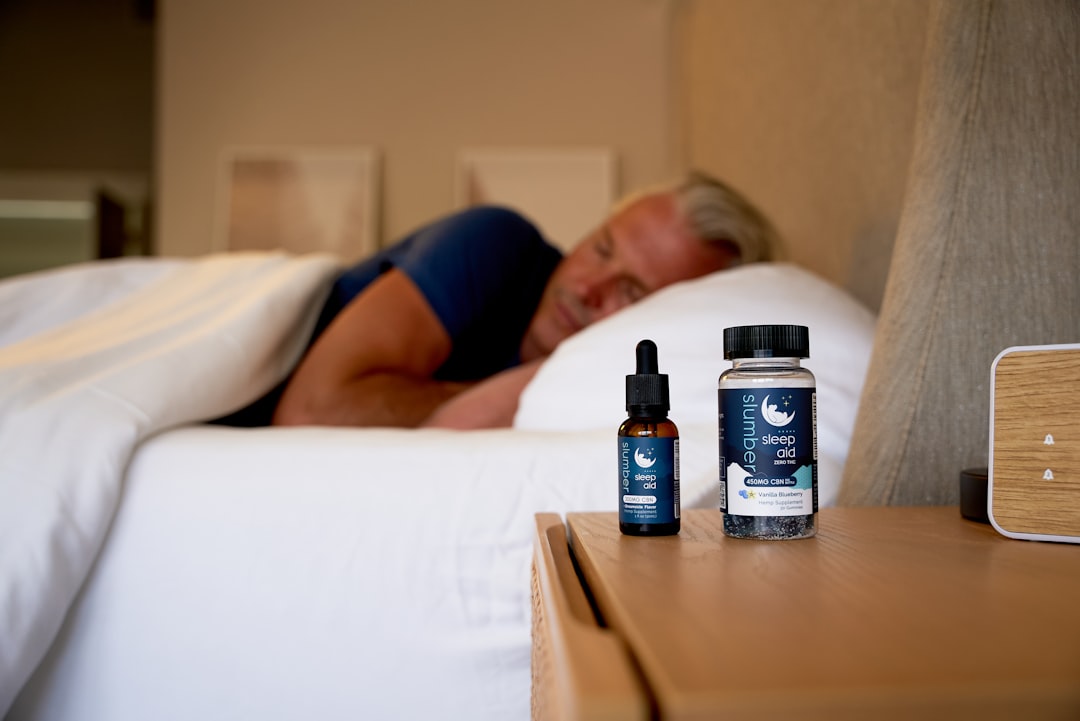
- Helps reduce the time it takes to fall asleep, especially in cases of jet lag or shift work.
- Supports treatment of insomnia by improving overall sleep quality.
- May provide antioxidant benefits, protecting cells from oxidative stress.
- Potentially aids in managing mood disorders by stabilizing circadian rhythms.
- May support immune function and reduce inflammation.
Potential Side Effects
While melatonin is generally considered safe for short-term use, some people may experience side effects. These can include:
- Drowsiness or grogginess the following day
- Dizziness
- Headaches
- Short-term feelings of depression or irritability
Important: Always consult a healthcare professional before starting melatonin supplements, especially if you are pregnant, nursing, have underlying health conditions, or are taking other medications.
Magnesium for Sleep
Magnesium plays a vital role in supporting healthy sleep by regulating neurotransmitters that calm the nervous system and are involved in the sleep-wake cycle. It helps activate the parasympathetic nervous system, which promotes relaxation and prepares the body for rest.
Benefits of Magnesium for Sleep
- Improves sleep quality and duration
- Reduces symptoms of insomnia
- Helps relax muscles and reduce restless leg syndrome
- Supports stress reduction and calms anxiety that disrupts sleep
Consistent magnesium intake is associated with better sleep onset and fewer nighttime awakenings.
Recommended Dosages
The typical recommended dietary allowance (RDA) for magnesium varies by age and gender, but for adults aiming to improve sleep, the following general guidelines apply:
Group
Recommended Daily Magnesium (mg)
Adult women
310–320 mg
Adult men
400–420 mg
Older adults (51+ years)
320 mg (women), 420 mg (men)
Magnesium supplements, such as magnesium glycinate or citrate, are often taken 30–60 minutes before bedtime, but it is best to consult a healthcare professional for personalized advice.
Other Effective Supplements
When it comes to enhancing sleep quality, valerian root and chamomile are two popular natural supplements known for their calming and sleep-promoting properties. These herbal aids have been used for centuries to help reduce anxiety and improve restful sleep.
Valerian Root
Valerian root is commonly used as a mild sedative to ease insomnia and promote relaxation. It works by increasing levels of a neurotransmitter called gamma-aminobutyric acid (GABA) in the brain, which helps calm nervous activity.
- May reduce the time it takes to fall asleep.
- Helps improve sleep quality without causing morning grogginess.
- Often consumed as a tea or in capsule form.
Chamomile
Chamomile is well-known for its soothing effects and is frequently consumed as a herbal tea before bedtime. It contains antioxidants that bind to receptors in the brain to reduce anxiety and initiate sleep.
- Gentle sleep aid suitable for most people.
- May ease mild insomnia and promote relaxation.
- Commonly enjoyed as a warm, calming beverage.
Valerian root and chamomile offer natural, effective options for those seeking alternative sleep aids. It’s always best to consult with a healthcare professional before starting any new supplement regimen, especially if you have underlying health conditions or take medications.
How to Choose the Right Supplement
Selecting the best sleep supplement depends on your individual needs and health conditions. Here are some tips to help you make an informed choice:
1. Understand Your Sleep Issues
Identify the root cause of your sleep difficulties. Are you struggling with falling asleep, staying asleep, or overall sleep quality? Different supplements target different aspects of sleep.
2. Consider Your Health Conditions
Consult your healthcare provider if you have medical conditions such as depression, anxiety, or chronic pain. Certain supplements may interact with medications or exacerbate existing health issues.
3. Evaluate Ingredients and Benefits
- Melatonin: Helps regulate sleep-wake cycles, especially useful for jet lag or shift work.
- Valerian Root: May improve sleep quality and reduce the time to fall asleep.
- Magnesium: Supports relaxation and muscle function.
- L-Theanine: Promotes relaxation without drowsiness.
- CBD: Used by some for anxiety-related sleep problems, though research is ongoing.
4. Check Dosage and Purity
Look for supplements with clear labeling, recommended dosages, and third-party testing to ensure purity and safety.
5. Start with Low Doses
Begin with the lowest effective dose to monitor how your body responds and minimize side effects.
Remember: No supplement replaces good sleep hygiene, such as maintaining a consistent sleep schedule and creating a restful environment.
Safety and Precautions When Using Sleep Supplements
While sleep supplements can be helpful for those struggling with occasional sleeplessness, it is important to approach their use with caution. Not all supplements are suitable for everyone, and improper use may lead to adverse effects or interfere with existing health conditions.
Key Safety Considerations
- Consult your healthcare provider before starting any sleep supplement, especially if you have chronic health issues or take other medications.
- Follow the recommended dosage carefully to avoid potential side effects such as dizziness, daytime drowsiness, or dependency.
- Avoid combining sleep supplements with alcohol or other sedatives, as this may enhance their effects unpredictably.
- Be aware of possible allergic reactions or sensitivities to ingredients commonly found in sleep aids.
- Do not use sleep supplements as a long-term solution without professional guidance, as underlying causes of sleep problems might require different treatment.
Always prioritize safe practices and consult professionals to ensure that sleep supplements are used effectively and without harm.

Conclusion
In summary, it’s important to understand the benefits and potential risks of any supplement before incorporating it into your routine. While supplements can support overall health and wellness, they are most effective when used responsibly and in conjunction with a balanced diet and healthy lifestyle.
Always consult with a healthcare professional prior to starting any new supplement, especially if you have underlying health conditions or are taking other medications. Their guidance ensures your safety and helps tailor supplement choices to your individual needs.
Disclaimer: This article is for education purposes only. Before starting any new workout routines or diet plans, please consult a professional worker.